
Tria Technologies brings multi-OS support to Qualcomm-based hardware
Yocto Linux, Windows 11 IoT, and Android now available on ARM
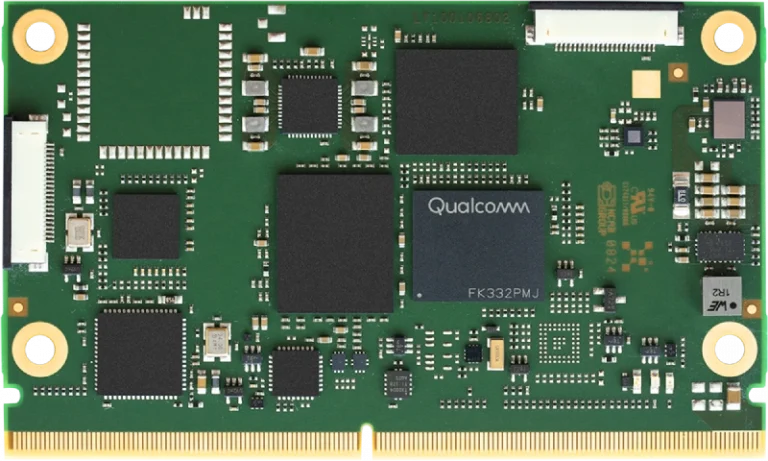
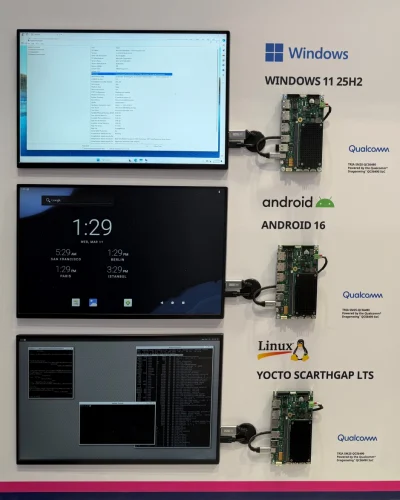
Stutensee, Germany – 31 March 2026 – Tria Technologies, an Avnet company specializing in the design and manufacture of embedded compute boards, systems and HMIs, has expanded operating system support across its Qualcomm-based hardware. Yocto Linux, Windows 11 IoT, and Android are all now available, delivering unmatched choice and design flexibility on a single hardware platform.
“With an unprecedented range of support, Tria customers can choose the operating system that best suits their application while unlocking the benefits of ARM-based hardware,” said Christian Bauer, Product Marketing Manager at Tria Technologies. “Each OS offers distinct advantages. By providing support across our range of Qualcomm boards, customers can retain their preferred operating system while enjoying improved performance and efficiency, broader application potential, and integrated AI acceleration at competitive price points.”
Yocto Linux
The release is based on Qualcomm Linux 1.7 as a platform BSP and Linux 6.6 LTS kernel. The complete software stack can be built and customized using the Yocto Scarthgap framework and MSC LDK, delivering the full set of tooling, drivers, and software components required for efficient application deployment.
Alignment with the upstream Linux LTS kernel ensures the availability of security patches, strengthens vulnerability management, and supports long-term maintainability, contributing to Cyber Resilience Act (CRA) compliance efforts. As the dominant OS in embedded and industrial markets, this Yocto release cements Tria’s leadership in embedded solutions development and remains the foundation of its ARM software strategy.
Windows 11 IoT on ARM
Tria is now shipping Windows 11 IoT boards based on the Qualcomm UEFI bootloader. Customers can deploy Windows on ARM in embedded and industrial environments, marking a departure from a decades-long marriage to x86 builds. Migrating Windows-based systems no longer compromises application compatibility and allows Windows to run on hardware with lower power consumption and reduced overall system cost. The release also introduces additional support for the AMI UEFI Firmware, bringing expanded features such as NVMe boot, with more extensions planned later this year.
Android 16
While support for Android 13 is also available today to Tria customers, Android 16 is planned for Q4 2026. The release brings proven mobile capabilities to long lifetime industrial applications, such as rugged tablets and field service devices for oil and gas, robotics, and other harsh operating environments. Tria’s full range of interfaces and features are supported as standard.
“We continue to lead the industry when it comes to options, quality, and versatility,” continues Bauer. “Our focus is on customer enablement, delivering the solutions and flexibility needed to design the solutions of tomorrow. This announcement marks a key milestone for embedded development. Never before have customers had such unbridled access to operating systems across standardized hardware.”
Ubuntu support is also available upon request through Tria.