
AI takes centre stage in agriculture
Processing at the edge enables greater efficiency and productivity for farmers, writes Christian Lang, Senior Manager, Solution Management, Tria Technologies
Agriculture is a big part of the world’s economies, and in countries like India, for example, it accounts for 60% of its GDP. Farmers have always struggled to manage their fields and yields, affected by a slew of conditions, some of which are getting worse. Among them are the increasing number of severe weather disruptions due to climate change – droughts, floods, soil erosion, loss of biodiversity, and more – and the impact of human life on the planet. Then there are the on-going problems of worker shortages, pests and diseases affecting plants and livestock, updating regulations and standards, and the ever-changing expectations of food processors, retailers and consumers alike. In addition, there are growing concerns about environment conservation and the protection of pollinators.
Incorporating technology in farming has become an important way to alleviate some of these problems, enhance productivity and ensure farmer safety. Agricultural monitoring is just one such system that helps farmers manage crops, maximise yields, reduce efforts and optimise processes. The Association of Equipment Manufacturers (AEM) reported in 2021 that using precision farming technologies has increased farmers’ output by 4%, at the same time fertilizer use has dropped by 7%, herbicide by 9%, and water by 4%.
Data collection and the Internet of Things (IoT) in combination with GPS, geographic information systems, remote sensing and satellite imagery have allowed farmers to improve their practices, but even more will be gained with AI and robots. Market analyst firm, StartUs Insights, forecasts that AI in agriculture will reach USD 4.7bn by 2028, growing at a compound annual rate of over 23%.
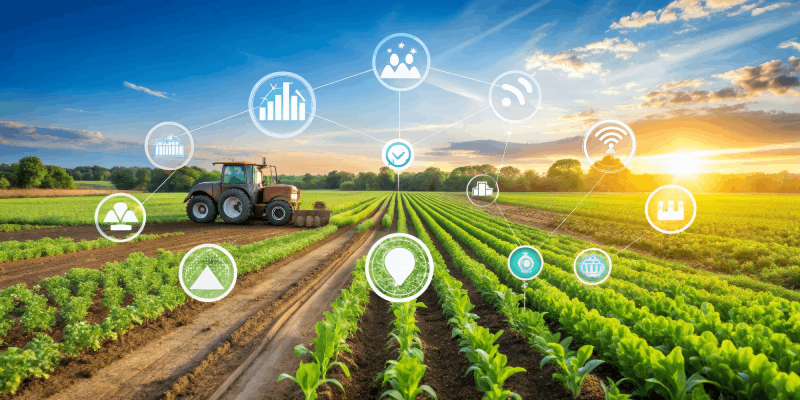
Machines used in the fields today are already smaller and smarter, heavily laden with sensors, and local AI processing, or edge AI. Sensor information can be analysed and used to make real-time decisions for the best management of crops. Sensor data can also be used to keep track of the health of agricultural machines using predictive maintenance techniques that notify maintainers before the machines fail. This is enabled by state-of-the-art processing boards, like the ones from Tria Technologies, which carry a raft of processors, sensors and AI capabilities.
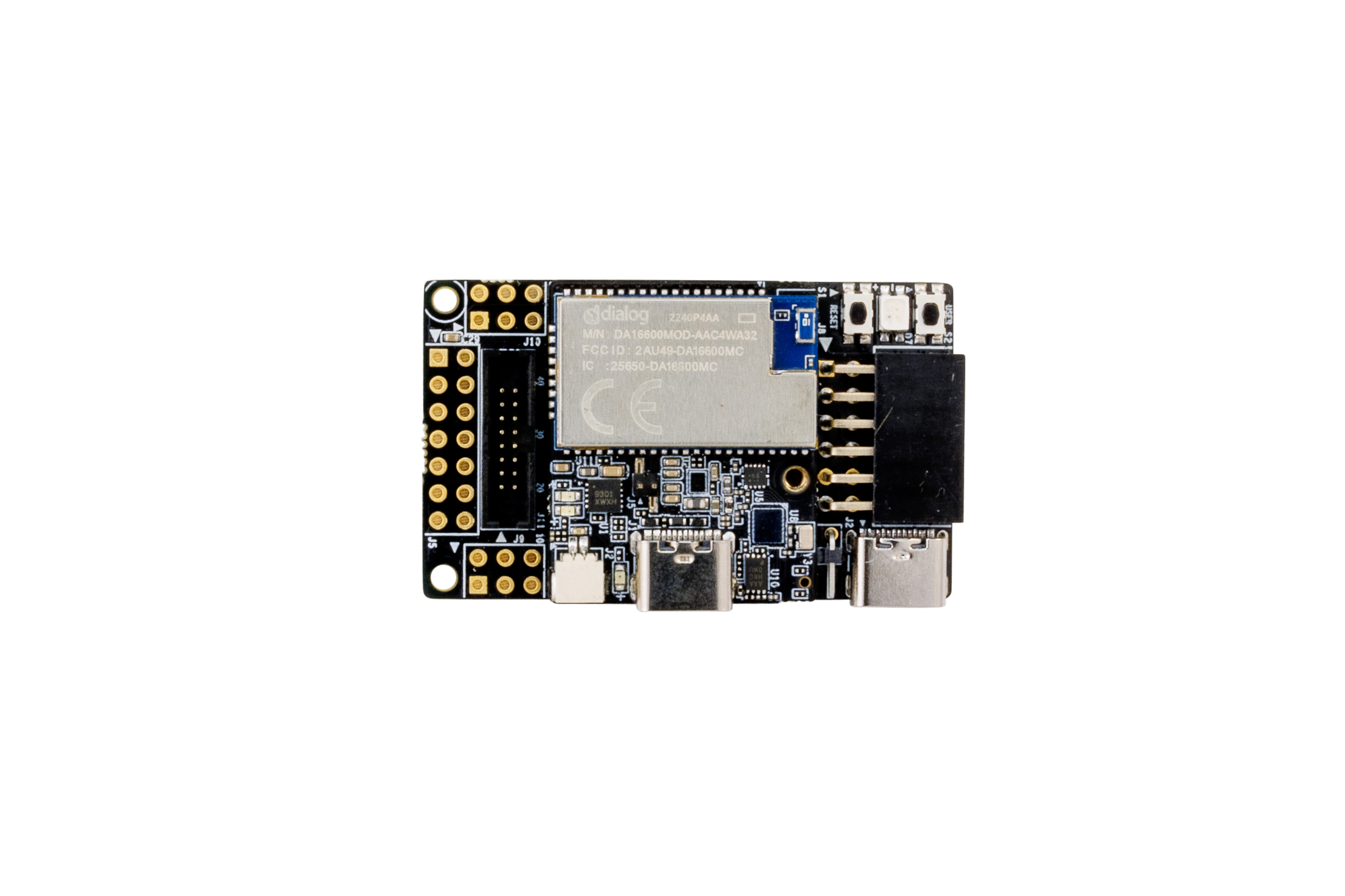
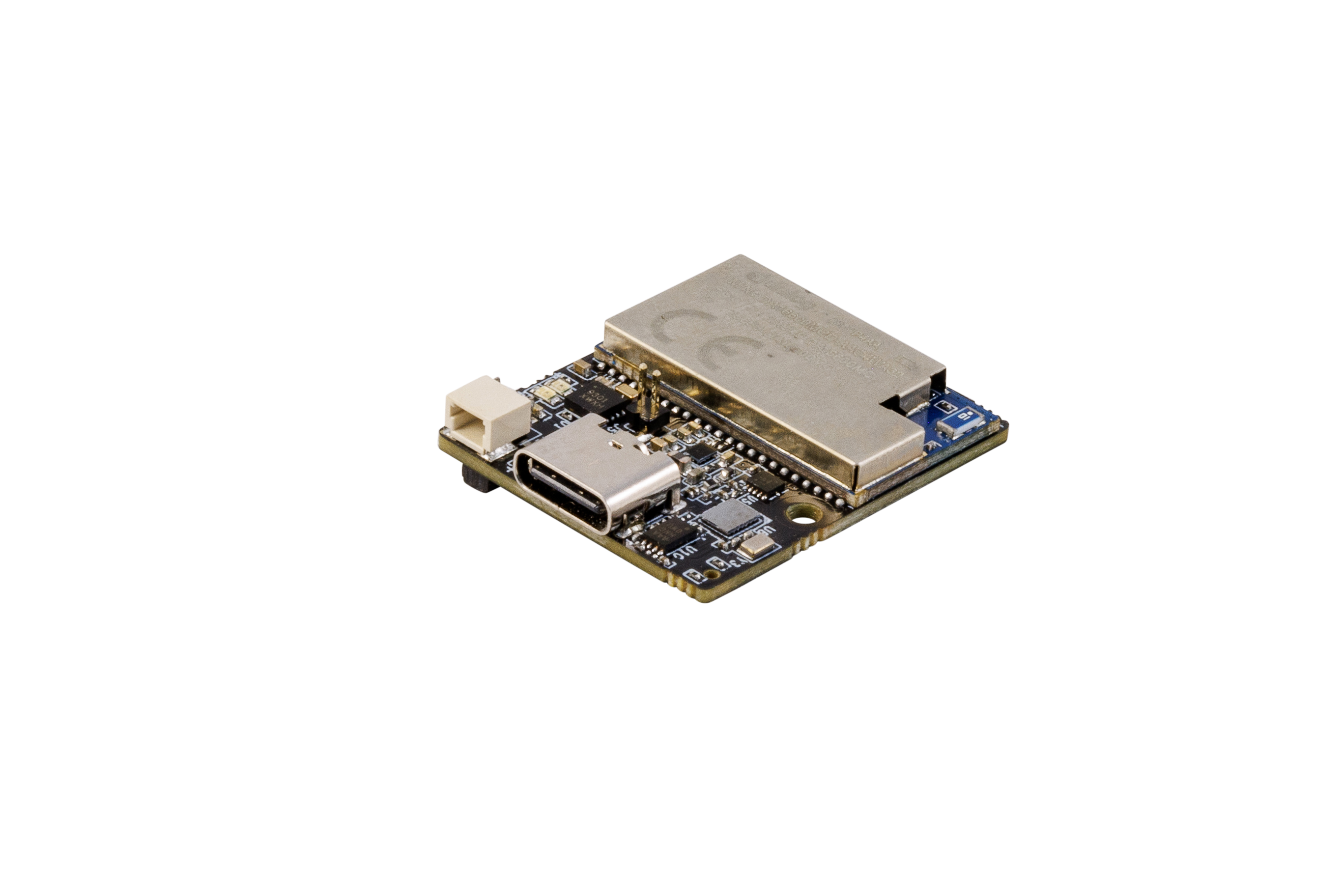
Embedded boards like these are trained to pick up the faintest of sounds to detect minute differences in system behaviour – for example, a water or sewage pump running with or without water due to clogging – or animal behaviour – if an animal is ill or trapped, for example. In these instances, audio sounds are compiled in a dataset, to train a neural network how to detect machine faults or diseases among livestock.
Some boards from the Tria portfolio support up to sixteen cameras, easily adapted for use in robots and machine vision. Another board in the same family, also supports multiple cameras and can run Large Language Models (LLMs).
These types of embedded boards are highly advantageous for smart agriculture applications, offering compact size, ruggedness, flexibility and powerful computing capabilities. They carry CPUs, GPUs, large intensive memory units, power management and different connectivity options for adding more functionalities and can be battery powered for standalone use.
Current automated equipment relies on data being sent to the cloud for processing, which is unsustainable and unreliable for remote areas, like crop fields and farms. But general trends are to keep data processing locally, on the machine itself, to provide a range of benefits including higher performance, better efficiency in soil analysis, crop monitoring, pest detection and irrigation management. For remote areas and vehicles, battery-powered solutions are highly suitable, and thanks to the latest generation of processors from the likes of NXP, Qualcomm and Renesas, such boards offer very high-performance with edge AI capabilities at very low power consumption.
Labour shortages can be addressed with automated machines, robots and drones, all making decisions on the go, based on machine learning techniques powering their analysis.
Fights against climate change can be achieved with precise equipment empowered by AI that analyses weather patterns, and the status of soil and plants at all times, deciding when is the perfect time to sow a crop, water it (or withdraw watering), treat it against pests and disease selectively (i.e., where most needed), harvest it, and a lot more. Precision agriculture using AI will save on energy as well as water, pesticide, and herbicide use.
There are already many useful programs developed specifically for agricultural needs, with computer vision and machine learning running in the background. One such program determines the illness plants are suffering from based on photographs of their leaves. A convolutional neural network is trained on an existing dataset and a selection of leaf images to identify the disease, with accuracy of over 96%. This project’s goal is to efficiently predict plant disease so that farmers can take appropriate measures before it spreads.
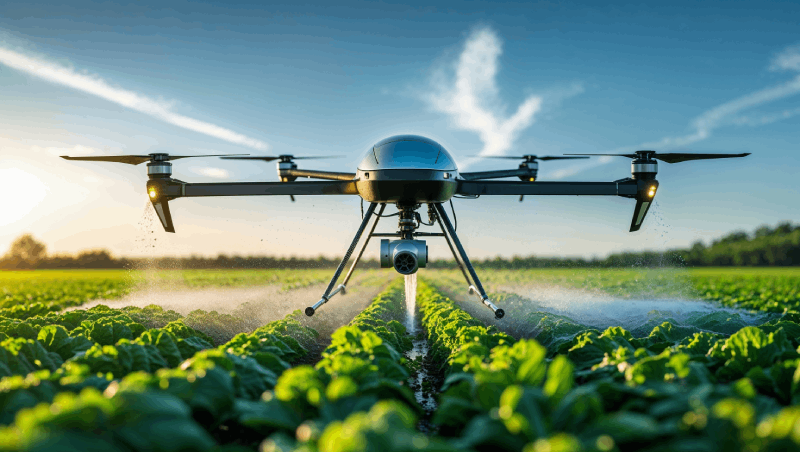
Computer vision can also be applied to projects which use robots to water plants and drones to select portions of the field to selectively spray pesticide. Automating such processes will also reduce human exposure to harmful chemicals.
These robots function either autonomously, by navigating through the fields using sensors, or are controlled manually via apps. Agricultural machinery such as tractors and combine harvesters are increasingly becoming automated, with some using a technique called SLAM (simultaneous localisation and mapping) to successfully navigate their environment and obstacles in it.
In the near future, LLMs will play even bigger roles in agriculture, when tractors and agricultural robots will respond directly to verbal or text-based communication in human language. Further into the future, in some 5-10 years’ time, when generative AI will be a lot more advanced and fully autonomous, it will run all aspects of agriculture – from seed to table. Analytical AI and generative AI will transform how crops are grown, harvested and distributed, yet provide optimised and efficient farming practices with minimal human input. AI will also provide suitable ways for sustainability, even under tough economic pressures, thus shaping the future of this industry.